 LAISA
LAISANinja 400 2023 - Cold tarmac
Tuned for Slovakia Ring - adds: asphalt, fast, technical
Kawasaki Ninja 400 2023 - 75 kg, Intermediate, Neutral, Cold tarmac - Slovakia Ring
Set this first
There is nothing to change here: the values below come from a released reference and are used as they are - so there is no factory value for them to deviate from.
Key values- Tire: Front tire pressure2 barreviewed
- Tire: Rear tire pressure2.25 barreviewed
- Transmission: Front sprocket14 teethreviewed
- Transmission: Rear sprocket41 teethreviewed
7 confirmed settings available.
Released reference setup, editorially reviewed · Moderately documented
Referenced (not linked):- Kawasaki Ninja 400 (2018) owner's manual standard cold tyre pressure + OEM gearing (14/41, 520x106) (2018)
Last reviewed: 10 Aug 2026
A starting point to verify on the bike - not a safety guarantee. Change one thing at a time and check on track. How LAISA derives this →
All technical values
Complete settings, technical data, components, gearing and geometry - including the adjusters that exist on the bike but do not carry a confirmed value yet.
| ChainOEM Chain | ||
| Chain length | 106 links | reviewed |
| ClutchOEM Wet Slipper Clutch | ||
| ECUOEM Engine Management | ||
| ForkOEM 41 mm Telescopic Fork | ||
| HandlebarOEM Handlebar | ||
| ShockOEM Monoshock (Preload Only) | ||
| Preload | 2 mm | OEM |
| SwingarmOEM Steel Swingarm | ||
| TireDunlop Sportmax GPR-300 | ||
| Compound | medium | reviewed |
| Front tire pressure | 2 bar (29.01 psi) | reviewed |
| Rear tire pressure | 2.25 bar (32.63 psi) | reviewed |
| TransmissionOEM Final Drive | ||
| Front sprocket | 14 teeth | reviewed |
| Rear sprocket | 41 teeth | reviewed |
After the ride
Tested a change? Record what happened. LAISA stores it against this bike and this condition. The recommendation above does not adapt to it automatically yet.
About this baseline
For a 75 kg Intermediate rider with a Neutral style, the Cold tarmac baseline for the Kawasaki Ninja 400 2023 at Slovakia Ring shifts none of the 7 computed settings away from the OEM standard. Values come from OEM defaults, your rider and condition factors and 6 verified reference setups.
Value provenance: OEM = manufacturer specification · verified = confirmed by an expert · reviewed = editorially reviewed reference · community = confirmed by the community (median of at least three public setups) · computed = automatically derived by the LAISA engine. Automatically extracted and unconfirmed values never appear on public pages.
No public community setups yet for this bike and condition.
Doesn't feel right on track?
Pick the symptom and we'll show the likely setup causes - and whether it is really a technique thing.
Troubleshoot a handling problemMatching protective gear
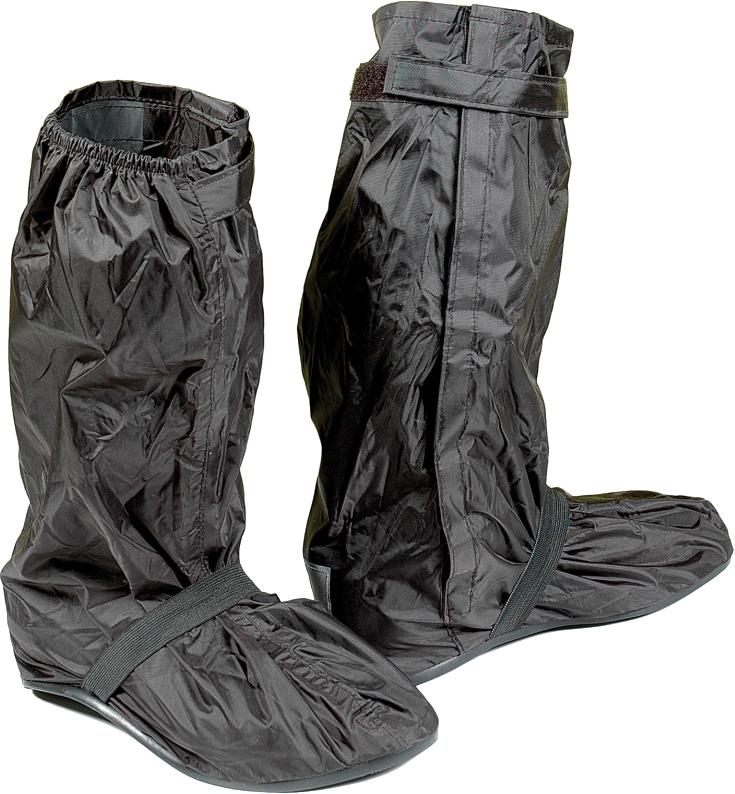
The right setup is half the job - the other half is protective gear matched to the discipline and conditions.


Affiliate links - we may earn a commission at no extra cost to you. The recommendation is safety-first and never influenced by offers.
Frequently asked questions
What is a good Cold tarmac setup for the Kawasaki Ninja 400 2023?
For a 75 kg Intermediate rider with a Neutral style, the Cold tarmac baseline for the Kawasaki Ninja 400 2023 at Slovakia Ring shifts none of the 7 computed settings away from the OEM standard.
What tire pressure for the Kawasaki Ninja 400 2023 in Cold tarmac conditions?
As a starting point: 2 bar front, 2.25 bar rear - computed for a 75 kg Intermediate rider. Check cold and adjust in small steps by feel.
What gearing (sprockets) does the Kawasaki Ninja 400 2023 run?
As a starting point, 14 teeth front / 41 teeth rear. For more acceleration go larger at the rear (or smaller at the front); for more top speed, the reverse.
Are these values safe to ride?
Baseline values are starting points generated from OEM defaults, rider weight, skill, style and conditions - not safety guarantees. Verify on the bike, adjust step by step and ride within your limits.
Baseline values are starting points generated from OEM defaults, rider weight, skill, style, and condition - or lifted from an expert/verified setup where one exists (see the provenance badge). They are not safety guarantees. Verify on the bike and ride within your limits.